
Thanatology Corner: Why Funerals?
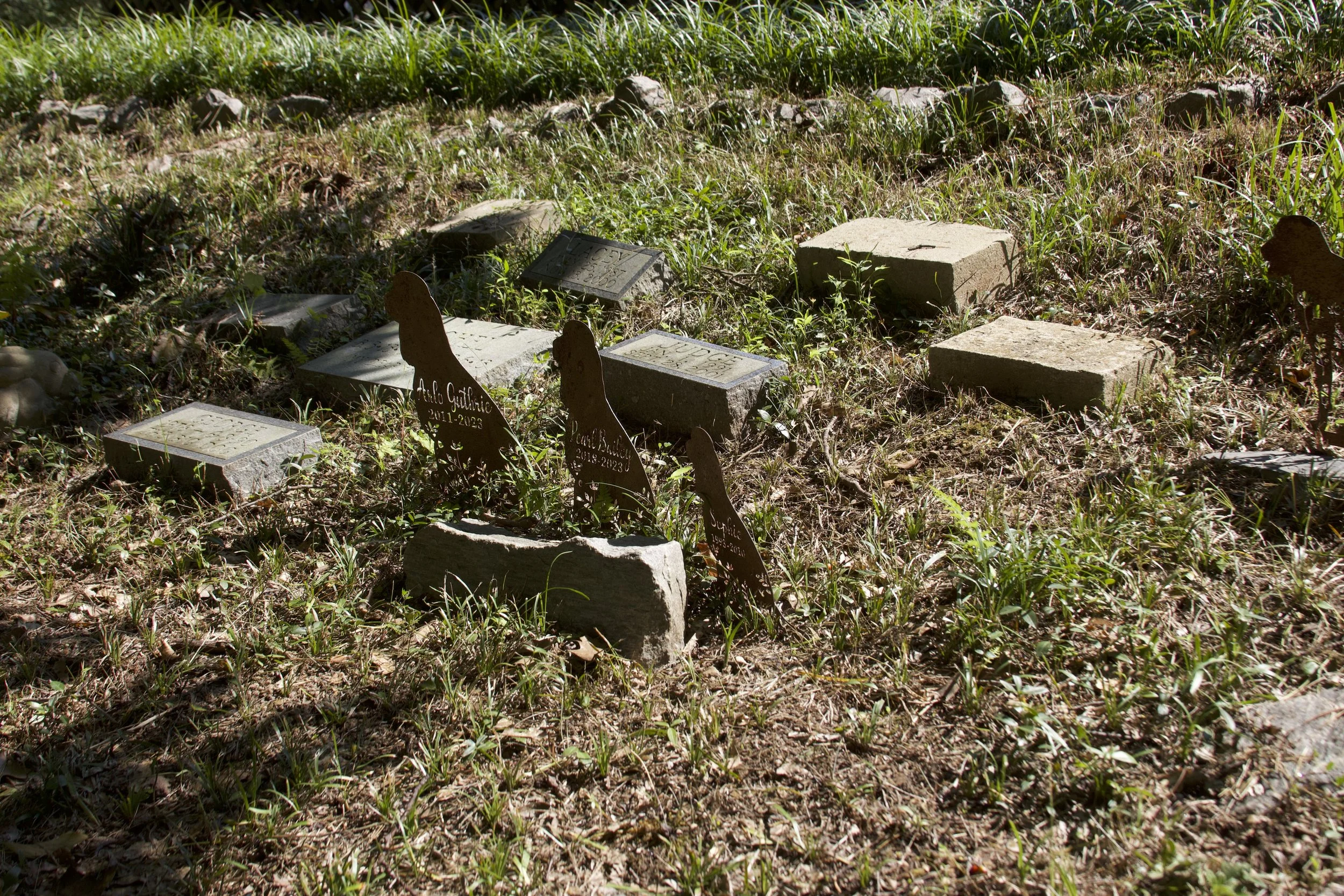
Funerals in America serve three core functions, according to death scholars and grief researchers:
To care for the body in a culturally meaningful way
To help the bereaved absorb the reality of the loss
To support mourners in returning to meaningful daily life
The first is largely logistical (body disposition and memorial services are increasingly separated, but that's a conversation for another day). The second and third are where the real work happens, and where the research gets interesting.
Studies on funeral attendance going back to the 1950s point in the same direction: people who attend funerals fare better in grief than those who don't. They show lower rates of complicated grief at three months, one year, and two years. They feel more connected to their communities. And they find it easier to reenter the ordinary rhythms of life, which loss has a way of making feel very far away. Funerals that feel spiritually familiar, or that include time with the body, appear to deepen these benefits.
Remember Betty from "Betty and Ward?" Weeks after Ward's difficult death, I was privileged to witness another moment of profound grace when I attended his funeral. I watched Betty from across the sanctuary as the congregation sang "Here I Am, Lord." Something in the music found her, and she threw her head back in a grimace and let the words wash over her. In a moment, I was transported to our conversations about their marriage, their struggles, their victories, and Betty's steadfast love in Ward's death room. As the hymn continued, Betty gently beat her chest over her heart and heaved a full, grief-ridden sigh. Then, and I swear I could see it, she turned that pain over to her God. I watched her faith move into those empty spaces and begin to soften her grief. And something in me shifted, too. I felt a little bit of her faith enter me. A little bit of her grace. I am learning. Ever so slowly, learning, learning.
The research had predicted exactly this. I was simply lucky enough to be in the room.
When funerals were canceled or stripped down by necessity of the Covid pandemic, grief complications rose sharply. The loneliness of unwitnessed loss turned out to be its own kind of wound. (Ferraresi, 2020 Handbook of Thanatology)
It is not a coincidence that the years following 2020 brought a surge of interest in death doulas, Death Cafes, and the broader death-positive movement. Our grief is a uniting force, and we need all the uniting forces we can find.